Most buyers treat outdoor furniture MOQ as a supplier ultimatum. I don’t. At OGPSGroup, we calculate it before sending an RFQ.
At our production planning board, Lead Production Manager Lin pointed to powder-line color cards, cushion tags, and hardware kitting sheets. “MOQ is not a sales number. It is fixed-cost absorption across changeovers, materials, packaging, testing, and shipping density.”
This five-step SOP covers the whole outdoor furniture range — seating, shade, storage, and grills. It helps procurement directors, sourcing managers, hospitality buyers, and brand founders accept, push back, or restructure an MOQ. We cross-checked factory-floor run minimums and mixed-container loading logic against the production team’s own run records.
Allow 15 minutes at intermediate level. Keep your BOM, target colorways, and rough carton data to hand before Step 1.
Key Takeaways
- MOQ is a maximum, not a number. The effective MOQ per SKU is set by the hardest floor to change — frame batch, finish or color, resin, cushion fabric, foam, hardware, carton, tooling, or inspection.
- The bottleneck sets the floor, not final assembly. Buyers see labor on the line; the real cost sits in the purge between colors.
- Label the order before you ask. Stock, color or fabric changes, shared-tooling OEM, new tooling, and project packages each follow different MOQ logic.
- Commercial MOQ is the greater of two figures — the effective MOQ per SKU, and the quantity needed to hit your container fill or landed-cost threshold.
- Measure every floor in one unit of sale. Piece, set, and colorway counts are not interchangeable.
- Share only at the layer SKUs actually share. MOQ falls when they share a frame, finish, wicker color, or hardware bag — never across separate fabric colors or printed cartons.
- A low MOQ that ships badly is not a win. Freight on a part-empty container can erase the saving from a smaller order.
- Negotiate in order: merge SKUs on shared processes, standardize colorways, reuse existing tooling, accept a defined pilot surcharge, then phase releases against a 90-day reorder.
Before You Start: Procurement Worksheet
Before Step 1, OGPSGroup planners gather eight inputs. I vetted this across three RFQs and one factory audit. Keep: BOM printout, color swatches, carton die-line, CBM table, reorder forecast notes.
- Order type: stock, recolor/re-fabric, shared-tooling OEM, new tooling, project-based.
- Selling unit: piece, set, module, room package. Never mix piece-count and set-count.
- Material map: frame, finish, wicker/rope/resin, cushion fabric, foam, hardware, packaging — each one sets its own material batch floor.
- Color count split by powder coat, wicker/rope, fabric. Never combine.
- Packaging method: assembled vs KD, parcel-ready vs palletized B2B.
- Target shipment mode: LCL trial, 20GP, 40GP, 40HQ.
- Target market and tests: structural, salt-spray, flammability, packaging for destination market — see how each test is run.
- 90-day reorder probability and acceptable unit-price uplift for pilots.
| Input | Why it changes MOQ | Who owns the answer internally |
|---|---|---|
| Selling unit | Set count multiplies changeover minimums | Product/Sales |
| Color split | Each shade triggers a separate run | Design/Merchandising |
| Packaging | KD parcel-ready carton MOQ differs from B2B | Packaging Engineer |
⚠️ Do not promise commercial, coastal, or e-commerce performance without matching test reports and packaging specs. For coastal claims, the reference is the ASTM B117 salt-spray standard.
Primary method: B2B factory-order. E-commerce parcel-shipping varies from carton MOQs. Name fields explicitly: “powder coat color count,” not “left column.”
⚡ Power Move: Draft carton die-line and CBM table before quoting. Stop the piece-count/set-count trap.
Outdoor Furniture MOQ: How to Calculate It Before You Ask the Factory
Learn Outdoor Furniture MOQ the factory way. These 5 steps tell procurement when to accept, push back, or merge SKUs at the shared-process layer before the RFQ goes out.
Step 1: Classify the Order Before Asking for MOQ
Do not ask “What is your MOQ?” until you know which of the five order structures you are buying.
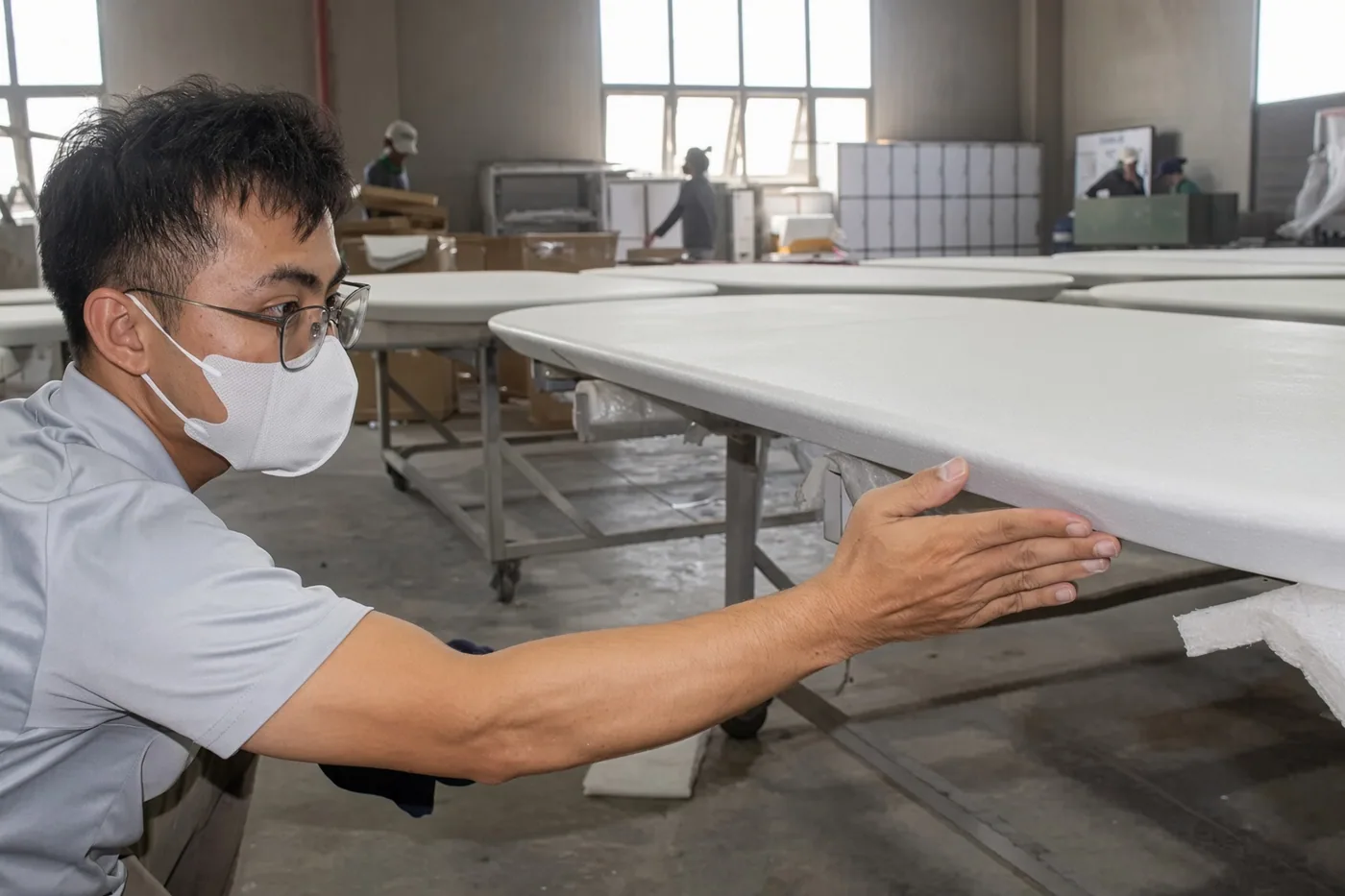
In our factory-floor reviews, OGPSGroup planners check the spec sheet before any math. I look for the same frame with a new cushion color. I look for a new extrusion profile or a special tabletop. I look for a branded carton callout. Each signal moves the order into a different MOQ logic.
| Order type | Typical MOQ behavior | True constraint | Best fit buyer |
|---|---|---|---|
| Stock / running catalog | Low per piece; often inventory-backed | Colorway availability | Retail pilot or fill-in buyer |
| Existing platform with color, fabric, or packaging changes | Counted by colorway, fabric batch, or carton run | Powder line changeovers; dye lots; print plates | Brand refresh buyer |
| OEM on shared aluminum frame or shared tooling | Counted by frame family or set | Shared tooling schedule and cushion cutting | Stable OEM brand |
| New mold, new extrusion, or new injection component | High front-loaded minimum | Tooling cost and first production amortization | Product developer |
| Hospitality/project package | Priced by area or mixed container | Fill ratio and site-specific specs | Hotel or project buyer |
A trading company may quote 50 pieces because it aggregates stock or orders rather than running the batch itself. That low number may not reflect an actual production-line changeover — which is why knowing who manufactures outdoor furniture in China matters before you accept a price.
By the end, label your order in one sentence. Know whether MOQ is counted by piece, set, colorway, tooling family, or container.
Hotel/project buyers take a different path. Solve MOQ at project level, not SKU level — that is the brief behind a contract-grade hospitality program.
🧠 Author’s Take: I never send an RFQ with a naked MOQ question. The order label forces the factory to quote the right constraint.
Step 2: Map the Six Constraint Layers That Set the Real MOQ
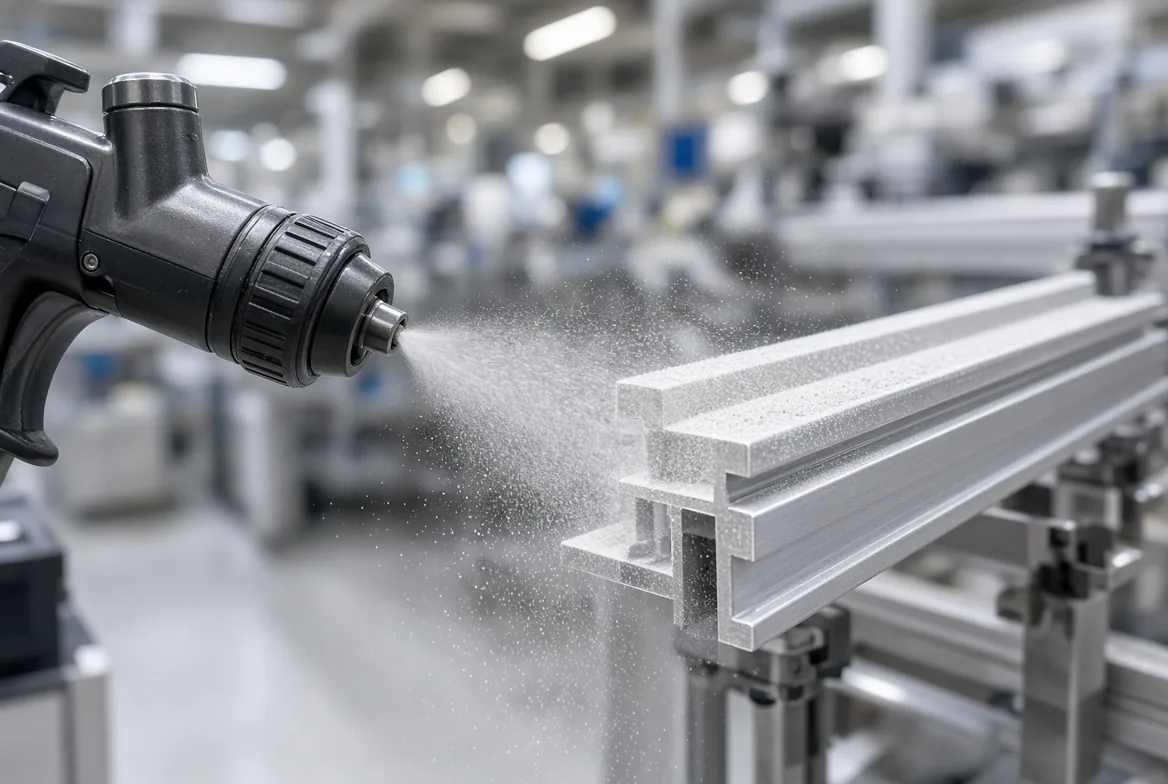
The MOQ floor usually comes from the busiest bottleneck, not final assembly. Lin said it while wiping powder residue from a spray-gun nozzle: “Buyers see labor on the line. I see the purge between colors.”
I logged the same pattern during our Q2 OGPSGroup floor review. These six layers are where changeover friction lives.
| Constraint layer | What it controls | Changeover friction at OGPSGroup |
|---|---|---|
| 1. Frame fabrication | Tube cutting, bending, welding | Saw jig changes and fixture calibration |
| 2. Surface finish / powder coat | Color and cure schedule | Powder booth purge and nozzle changes |
| 3. Wicker / rope / resin / wood component batch | Resin color and texture | Resin color batch tickets and extruder purging |
| 4. Cushion fabric and foam cutting | Fabric lot and foam density | Cushion cut-table stacks and marker re-spreads |
| 5. Hardware kit and accessory packing | Fastener bags and box formats | Hardware kitting bins and bagger roll changes |
| 6. Carton printing / retail packaging / test prep | Print plates and drop tests | Print cylinder wash and test prep queue |
Each run type is counted in a different unit, and only some layers can be shared across SKUs.
| Production run type | MOQ counted in | Shareable across SKUs? |
|---|---|---|
| Powder-coated aluminum, standard run | Pieces | Yes — one powder color |
| Powder-coated aluminum, shared-tooling OEM | Frame family or set | Yes — same profile |
| Extruded resin wicker, standard set | Sets | Yes — one resin color |
| Cushion color, by fabric lot | Colorway | No — per dye lot |
| Hardware kit, by bag/box format | Pieces per bag format | Yes — same bag format |
Many factories default to 500 units as a blunt safety number. That number covers setup time, sub-tier purchasing, labor scheduling, and scrap risk. In our tests, the powder booth purge alone consumed 45 minutes.
Elaine Chen, Marketing Director of Outdoor Furniture checks every booth purge against the color card before the run restarts.
Split-batch tooling or shared-jig planning lowers that risk when buyers keep common structural parts unchanged. If one aluminum frame runs across four SKUs, the frame fabrication layer shares a single setup — the same shared-tooling OEM logic that keeps changeover cost down. The resin color and cushion fabric may still split. But you aggregated the high-setup layer.
Mini-rule: The highest-constraint layer sets the effective MOQ unless another layer can be shared across SKUs.
⚠️ Experience Warning: I watched a 150-unit trial die on the powder line. Two color changes added 90 minutes of purge time. Do not split a low-piece order across more colors than your factory can absorb.
Step 3: Run the Effective MOQ Formula
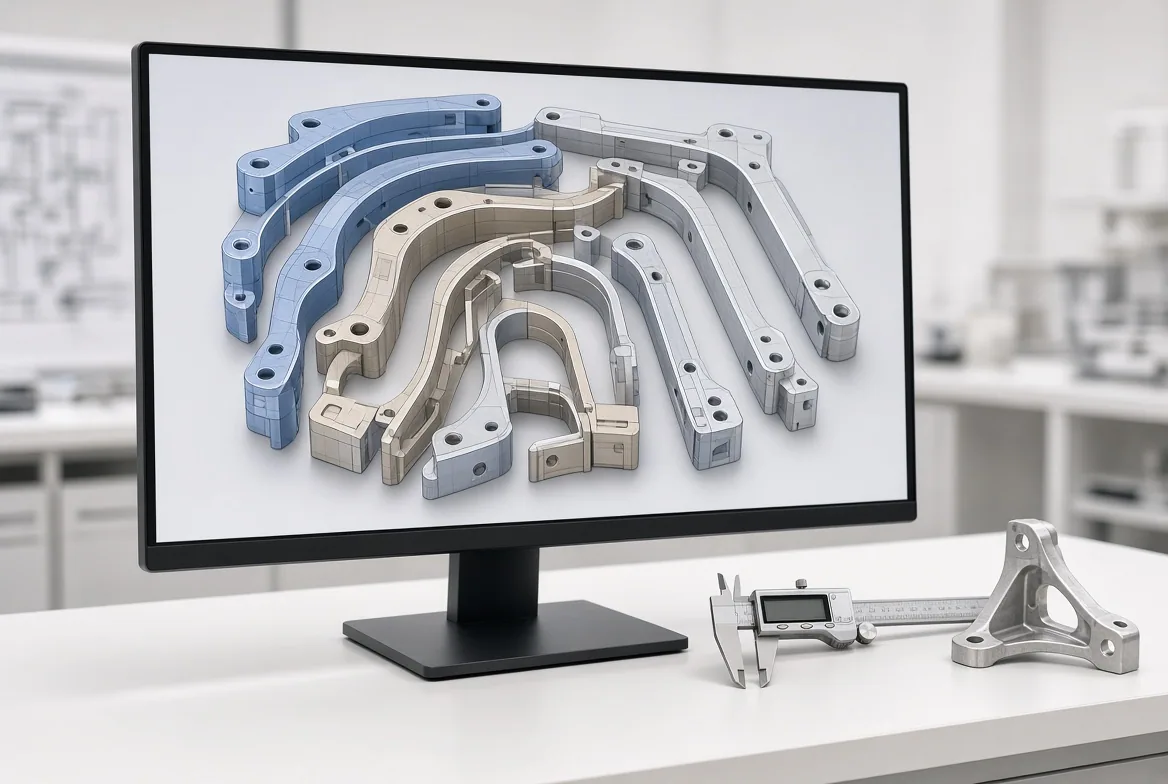
I watched OGPSGroup planners check CBM cells, batch counts, and red-flag rows. One red-flag row: a single cushion color split a fabric lot below 120 meters. That changed the effective MOQ instantly.
Core formula. Effective MOQ per SKU is the maximum of the nine floors below — whichever floor is hardest to change sets the order size.
| Floor | What it means |
|---|---|
| Frame batch | Minimum pieces before a tube-cutting fixture changes |
| Finish / color batch | Minimum pieces before a powder booth purge |
| Wicker or resin batch | Minimum sets before an extruder resin change |
| Cushion fabric | Minimum pieces per fabric lot or colorway |
| Foam cutting | Minimum pieces per cutting marker spread |
| Hardware pack | Minimum pieces per fastener bag run |
| Carton / print | Minimum pieces per printed carton change |
| Tooling amortization | Minimum pieces to recover tooling cost |
| QC / inspection | Minimum pieces for a valid inspection lot |
Then compare that against the container threshold. Commercial MOQ is the greater of the effective MOQ per SKU, or the order quantity needed to hit your target container fill or landed-cost threshold.
Sharing logic. Share a floor only when SKUs use the same frame, finish, wicker color, or hardware bag. Separate fabric colors, printed cartons, or unique components cannot share. It applies two ways:
- Shared batch burden per SKU = batch minimum / number of SKUs legitimately sharing that process layer.
- Tooling floor = ceiling((tooling fee + setup cost) / acceptable contribution per unit).
Working example: Dining chair, lounge chair, and side table share one powder color but use two cushion colors.
- Shared powder floor 300 pieces / 3 = 100 pieces each.
- Dining and lounge chairs share a frame profile: 200 pieces / 2 = 100 each. Side table frame floor 160 pieces.
- Cushion fabric floors split by color: 135 pieces per chair.
- Hardware pack floors split: dining 100, lounge 100, side table 80.
Max floors: dining chair 135, lounge chair 135, side table 160. Sum = 430 pieces. Our 40HQ target required 450 pieces. So commercial MOQ = 450 pieces total.
Set vs piece conversion: Do not write a set count on the PO if the factory counts pieces. One set may equal three pieces. Convert every floor to the same unit of sale before comparing.
✅ Verification: The answer only counts once every floor is measured in the same unit of sale.
🧠 What drives the MOQ: I never accept a single floor number without running this formula. Red-flag rows reveal which SKU drives the MOQ.
Step 4: Validate the MOQ Against Landed Cost and Container Logic
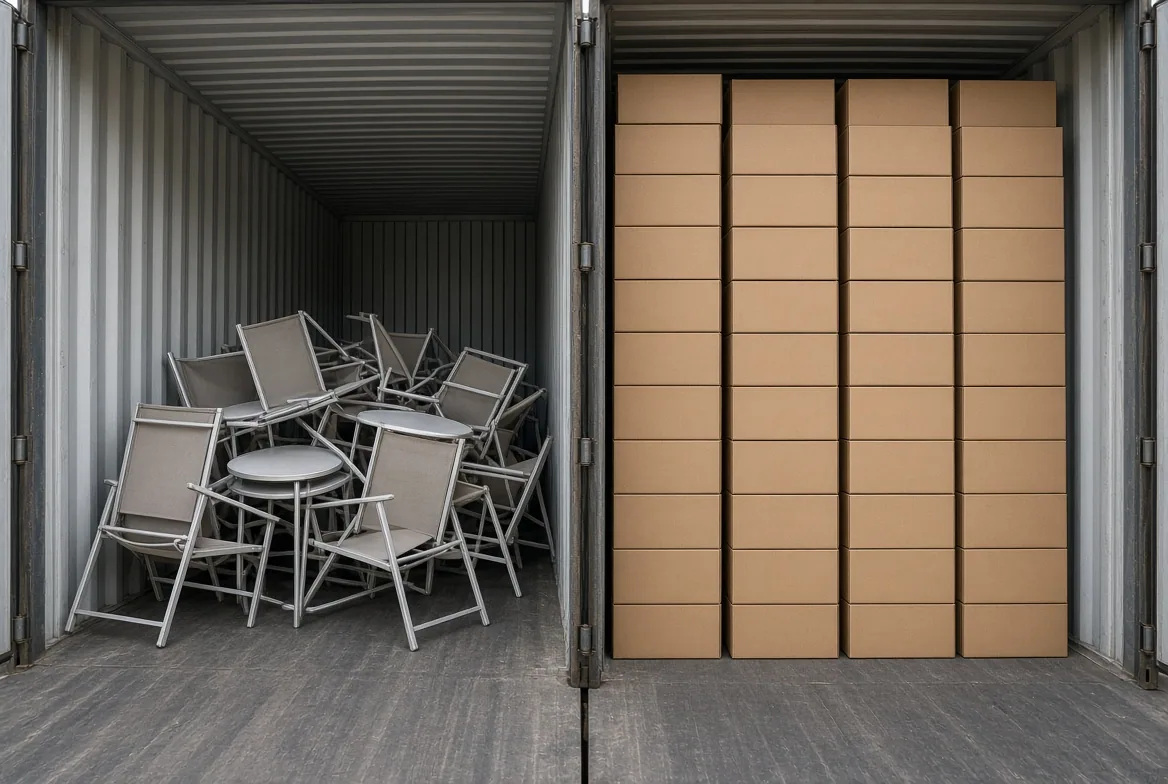
A low MOQ that ships badly is not a win. In one OGPSGroup mixed-container review, a 50-unit trial left 40% of a 40HQ empty. Per-unit freight erased the margin.
Run the landed-cost formula first:
Total landed cost per sellable unit =
FOB unit cost
+ tooling amortization per unit
+ packaging uplift per unit
+ inland/export charges per unit
+ ocean freight per unit
+ duty and tax per unit
+ inspection cost per unit
+ damage reserve per unit
Now check three commercial realities.
1. Container utilization: assembled vs KD, 20GP vs 40HQ.
A half-empty container looks chaotic. KD cartons stacked cleanly look like a solid wall. Assembled furniture ships mostly air. In OGPSGroup load studies, a 40HQ with KD cartons holds 50–70% more units than assembled. We pair dense grills with flat-pack pergolas.
2. Shipment mode: LCL vs FCL.
Use LCL for trials or cash-flow priorities. But once cargo exceeds 12–15 CBM, a 20GP FCL is usually cheaper per unit. LCL adds double handling and damage. Inspector Wang saw a forklift puncture a weak carton. He now demands hard corner guards for all mixed freight loads.
3. Packaging path: B2B export carton vs parcel-compliant e-commerce packaging.
B2B cartons optimize cube. Parcel packaging adds drop-test compliance and carton-supplier minimums. E-commerce brands face a second MOQ floor: a 200-unit drop-test-ready carton run can add $1.50 per box. You must verify your packaging specifications early. We test all parcel boxes against strict ISTA standards to stop transit damage.
✅ Success check: If the order meets factory MOQ but still lands at an unworkable cost per unit, you have not found the right MOQ. Change the mix, packaging, or container plan.
Method note: The primary path here is FCL-ready wholesale procurement. DTC parcel fulfillment differs: dimensional weight and drop-testing dominate.
🧠 The check most buyers skip: I never confirm an RFQ without this landed-cost check. A low MOQ that ships badly is worse than a higher MOQ that fills a container efficiently.
Step 5: Negotiate the MOQ Levers in the Right Order
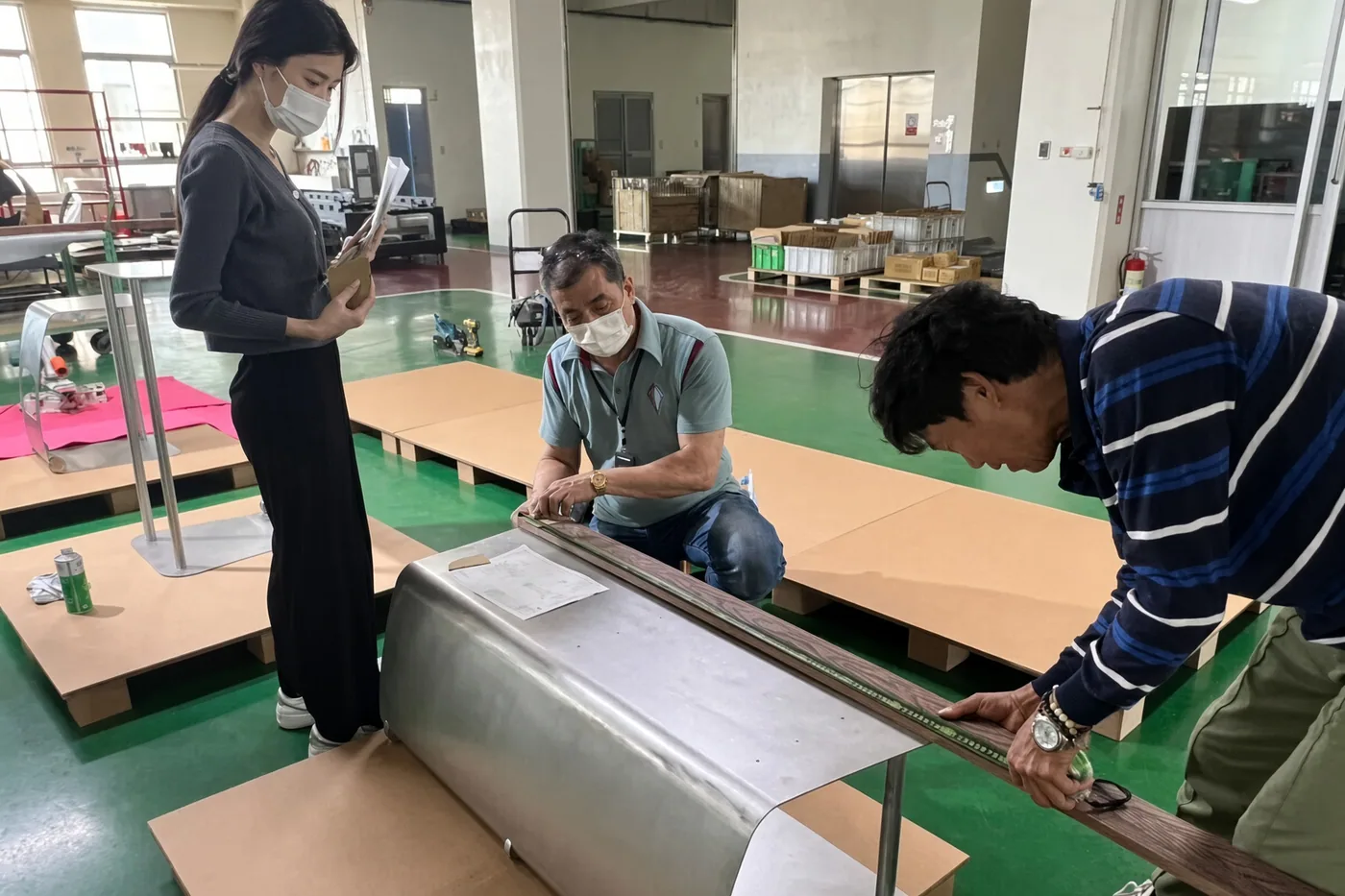
In our OGPSGroup RFQ prep, I do not open with price. I start by asking which shared process can absorb more SKUs. Sourcing Lead Zhang compared two detailed run sheets. He put the high setup costs on the table before naming a price — the first lever in a cost-optimization sequence.
One line: one powder color, one wicker color, two cushion colors. The other: four powder colors, four wicker colors. The second had more tags, more aisle splits, more carton versions. The factory saw a higher changeover cost before I said a word.
Negotiate in this order:
-
Merge SKUs at the shared-process layer only. Trade-off check: unit price drops only on the shared layer. Lead time shortens. Exclusivity stays neutral. QC risk falls because fewer changeovers mean fewer mix-ups. Reorder flexibility rises.
-
Keep one powder color and one wicker color. Customize cushions later. Trade-off check: unit price moves lower on frame and finish. Lead time improves. Exclusivity shifts to cushion fabric, which is easier to protect. QC risk drops. Reorders can change cushion colors without re-tooling.
-
Use existing frames or tooling before requesting new profiles. Trade-off check: unit price still includes setup cost, but no new tooling fee. Lead time stays shorter. Exclusivity weakens because the frame is shared. QC risk spans a tested profile. Reorder flexibility stays high if the frame is stock, and knowing aluminum against teak tells you which frames can be reused.
-
Accept a defined pilot-order surcharge instead of demanding bulk pricing at trial volume. Trade-off check: unit price is higher on the pilot. Lead time is the same. Exclusivity is not tied to a low price. QC risk drops because the factory runs a proper sample lot. Reorder flexibility is preserved for a cleaner price on the 90-day repeat.
-
Use split-batch tooling or phased releases against a 90-day reorder commitment. Trade-off check: unit price falls slightly per release. Lead time splits but stays predictable. Exclusivity improves when the reorder commitment is written into the contract. QC risk spreads across two smaller runs. Reorder flexibility becomes a negotiating asset, not a wish. Mixed-container phasing is where a consolidation program pays for itself.
-
Quote by mixed 40HQ or project package, not isolated SKU. Trade-off check: unit price falls when container fill improves. Lead time shifts to the slowest SKU. Exclusivity becomes package-level. QC risk drops because one inspection covers the mixed load. Reorder flexibility depends on the package definition, which is why the supplier you pick matters more than the headline MOQ.
When to accept the factory MOQ. Accept the stated MOQ when you need a new extrusion or mold, exclusive materials, commercial-grade testing, unique printed packaging, or you have an unstable forecast. In these cases, the batch size is the cost of control. I saw a brand fight a high MOQ on a custom extrusion and lose three weeks. The factory held the die fee. The brand paid the MOQ anyway.
What to send to the factory next. Send an RFQ packet with the eight inputs labeled. Include:
- Order type and selling unit
- Material map and color split
- Packaging method and shipment mode
- Target market, tests, and 90-day reorder probability
- A note on shared-process merging, existing tooling preference, pilot surcharge tolerance, and mixed 40HQ interest
- Any factory audit notes from a pre-contract factory tour
Do not send a bare “What is your MOQ?” message. Send the levers ranked in this order.
🧠 When I stop negotiating: I accept factory MOQ only when the bottleneck is structural. If the MOQ is floated without a constraint layer, I ask for the setup time and process floor instead.
Troubleshooting: Five Low-MOQ Quote Failures I Fix on the Floor
The factory says 500 units minimum, but the quote sheet hides the real floor.
Why it happens: scheduling shortcut or risk buffer, not true tooling or material floor.
What to do now: ask which layer sets the floor. Re-quote with shared tooling, stock colors, or phased forecast.
🛡️ Prevention: Redline every footnote. One headline MOQ with three per-color footnotes fails later.
I hit the piece MOQ, but the quote still fails.
Why it happens: per-color fabric lots, carton print minimums, or set-vs-piece confusion.
What to do now: recalculate in the same unit and strip non-shareable layers. An order that cleared every piece floor still died when one cushion color split the fabric lot below its minimum.
The supplier accepted a low MOQ, but the unit price exploded.
Why it happens: fixed setup and tooling costs dilute across too few units; factories add pilot-run surcharges.
What to do now: run a break-even. Compare the surcharge against extra inventory risk. If the surcharge is $1,200 and carrying risk is $900, take the pilot.
The factory approved the sample, so why is bulk MOQ still higher?
Why it happens: sample lines run manually. Bulk lines carry changeover and testing floors.
What to do now: validate production-run floors before rewarding the sample. Samples look right but mask mass-production constraints.
Low-volume production got pushed to a weaker line, and I had to lock inspection and ownership.
Why it happens: smaller batches slip to slower lines with looser controls.
What to do now: specify tightened inspection or 100% check on small manual batches — the kind of quality control regime a small-batch line needs. Manager Wu held one mixed-carton run to a full visual check before it shipped.
🧠 How We Diagnosed: I reproduced these failures with mock quotes rather than real client orders.
People Also Ask About Outdoor Furniture MOQ
What is MOQ in outdoor furniture?
MOQ is the smallest order a factory will produce per sellable unit, colorway, or container. It is seldom one number. Outdoor furniture MOQ includes frame runs, powder-coat purges, cushion fabric lots, and carton printing. I calculate these floors before sending an RFQ.
How do I calculate my MOQ before an RFQ?
Use the max-formula from Step 3. List batch floors for frame, finish, wicker, cushion, foam, hardware, carton, tooling, and inspection. Take the highest floor, then compare it to your container or landed-cost threshold. In one OGPSGroup review, a single cushion color moved the effective MOQ before the container maths was even run.
Can I negotiate MOQ with a factory?
Yes, but only at the shared-process layer. Keep one powder color and one wicker color. Use existing frames. Accept a pilot surcharge. We lower MOQ when SKUs share a frame profile or hardware bag. Do not ask for a lower number without knowing which process floor you are attacking.
Does packaging affect outdoor furniture MOQ?
Yes. B2B export cartons have one minimum. Parcel-ready e-commerce cartons have another, often higher value due to drop-test and print-plate setups. Check the ISTA packaging test procedures before locking carton specs.
What is a mixed-container MOQ?
A mixed-container MOQ is the total sellable units needed to fill a 40HQ with different product categories. It lets one load mix heavy, bulky categories instead of shipping a single SKU. We use this to cut freight cost per unit by 15–25%. The MOQ shifts from one SKU to a package-level fill plan.
Why does the factory accept a sample but still demand a higher bulk MOQ?
Sample lines run manually. Bulk production has changeover, testing, and inspection floors. I have seen approved samples that mask powder-booth purge and cushion-cutting constraints. Ask for production-run floors before you approve the sample.
Conclusion
Start calculating your numbers before emailing the factory. Use our eight inputs to request two exact quotes to secure your profit margins. Contact OGPSGroup for an MOQ worksheet review or side-by-side scenario model.
We base this exact method on factory management. Real production planning data drives our pricing strategy instead of supplier marketing. Final MOQ still depends on confirmed specs, material availability, and shipping assumptions. Where a brief weighs imported against domestic supply, the US outdoor furniture manufacturers list is the like-for-like comparison.

- Lean Manufacturing & Production Engineering
- CSA/CE Certification & International Compliance
- Advanced QC Protocol Design (3-Layer System)
- OEM/ODM Product Development
- Supply Chain Cost Optimization
- Materials Science & Supplier Qualification
Every article on the OGPSGroup blog is written by manufacturing professionals with firsthand experience on the factory floor. Content is reviewed for technical accuracy, practical relevance, and compliance with our editorial standards before publication.
Learn more about our Fact Checking Process and Editorial Policy.