When a factory says AAMA 2604 powder coating, most technical buyers hear a performance guarantee. They are often hearing marketing shorthand. I have audited enough aluminum finish failures across OGPSGroup’s supplier network to know the difference. Cartons and brochures carry the designation while production lots fail film integrity or color retention tests.
Top outdoor furniture brands use the AAMA 2604 standard. We require this exact spec for all premium aluminum products. It is not a resin brand. The standard now sits under FGIA governance, but procurement teams still use the legacy AAMA shorthand.
Two misconceptions recur. Printing the designation on a carton does not prove production compliance. South Florida exposure thresholds are qualification tests, not a literal consumer warranty clock.
For most inland or non-coastal aluminum outdoor furniture and custom outdoor equipment, a super-durable polyester system built to 2604 is the value sweet spot. For coastal exposure, dark colors, or longer appearance retention targets, 2605 may justify the premium.
This guide draws on public-spec interpretation of the standard hierarchy, OGPSGroup process reviews of pretreatment and electrostatic spray SOPs, proprietary QUV-B weathering data, and interviews with our Lead Coating Chemist.
I have no powder supplier ties. Use this specific standard language to write better RFQs and audit your factory suppliers effectively. Here is what the standard actually requires.
Key Takeaways
- AAMA 2604 is a performance tier, not a product. It is a mid-tier architectural exterior durability specification for factory-applied organic coatings on aluminum, most often met with super-durable polyester. It is not a resin brand and not an application method.
- The designation on a carton proves nothing. Compliance lives in the complete coated system — substrate preparation, pretreatment chemistry, powder selection, film build, cure discipline, and verification testing — not in the brochure or the powder bag label.
- Welded joints and cut edges fail first. A flat coupon can pass while a welded chair leg fails, because grounding, geometry, and mixed-alloy weld zones behave differently from clean extrusions.
- Cure discipline hides its failures. Under-cure, over-bake, uneven metal temperature between thick and thin sections, and bad recoat timing all produce false passes. Oven-profiling logs and retained coupons are the proof, not air-temperature assumptions.
- 2604 is the default for inland, non-coastal aluminum furniture. It delivers documented architectural-grade finish language without the 2605 fluoropolymer premium. Coastal installs, high-UV sites, and dark color families are where 2605 earns its cost.
- Know what 2604 does not cover. No stack-abrasion resistance, no edge protection on cut ends or weld zones, and weaker long-horizon color stability on dark colors.
- Put the documentation in the RFQ. Powder system and declared tier, pretreatment description and control points, target dry film thickness with measurement locations, cure-window verification records, salt spray and weathering reports, and a batch-coupon and retained-sample policy.
What Is AAMA 2604 Powder Coating? Define the Standard Correctly
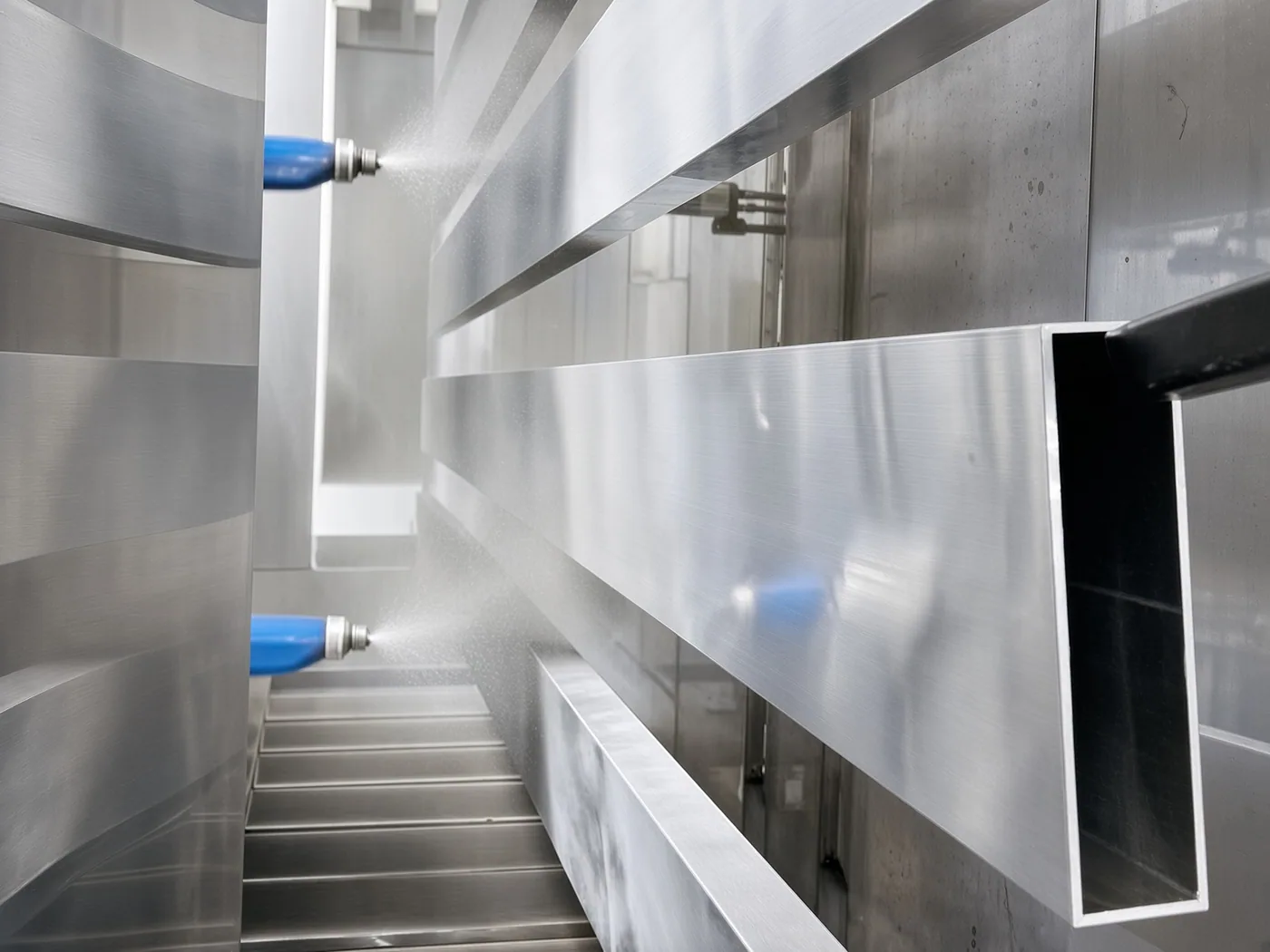
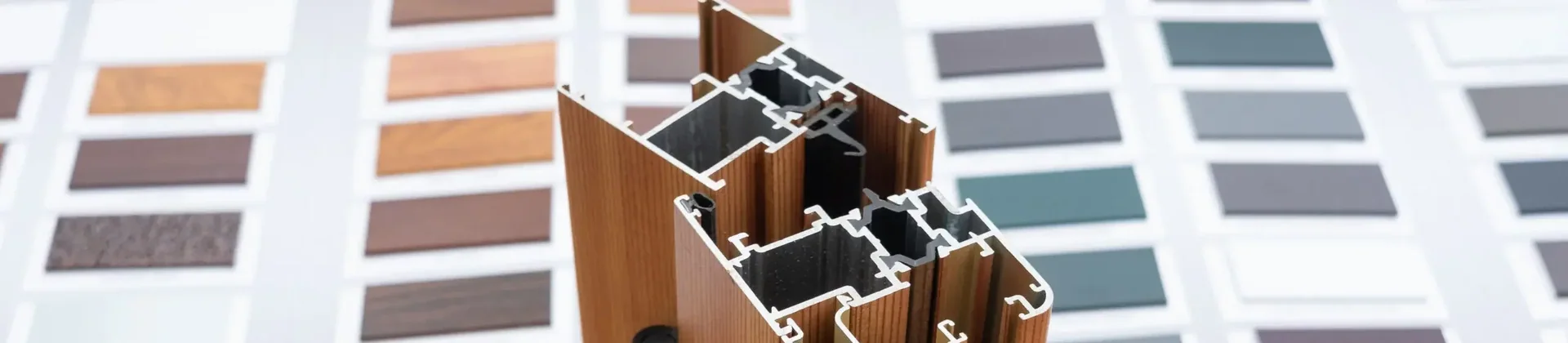
AAMA 2604 powder coating is a mid-tier architectural exterior durability specification for factory-applied organic coatings on aluminum. AAMA 2603, 2604, and 2605 form a performance ladder. We treat 2604 as the benchmark in architectural grade powder coating specs. It is not a resin brand or an application method.
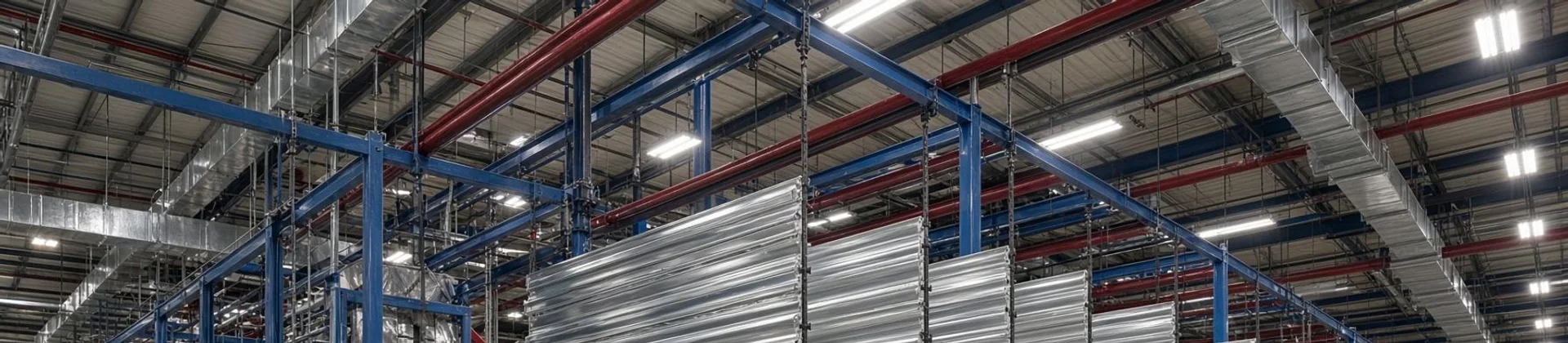
Aluminum extrusions and panels are the classic substrates. In outdoor furniture and equipment sourcing, we apply the same logic to coated aluminum frames, fabricated sections, brackets, and accessory parts. Both liquid and powder systems can target the standard. Outdoor furniture usually uses powder coating. Electrostatic spray lines apply uniform film on tube profiles.
AAMA 2604 Powder Coating Core Requirements (Public Reference)
| Property | Typical 2604 Reference |
|---|---|
| Positioning | Mid-tier architectural exterior durability |
| Typical resin family | Super-durable polyester |
| Common minimum dry film thickness | 2.0 mils (50 µm) |
| Salt spray | 3,000 hours |
| Humidity resistance | 3,000 hours |
| South Florida exposure | 5 years |
| Gloss retention | ≥30% |
| Color change limit | Delta E ≤ 5 |
| Chalking / powdering | Little or no powdering; rating 6 minimum |
This table reflects public-facing thresholds. Current FGIA text and the powder supplier’s approved system documents govern final acceptance. In practice, I confirm these values against the supplier’s approved system document.
Five Buyer Terms in Plain Language
Here is how we explain each term to sourcing and engineering teams.
- Super-durable polyester: The resin chemistry usually used to reach 2604-level weathering.
- Delta E: How much visible color drift is allowed.
- Gloss retention: How much sheen remains after exposure.
- Salt spray: A corrosion-screening test, not a full outdoor-life simulator.
- South Florida exposure: The natural weathering benchmark for UV and moisture durability.
Boundary-Setting
2604 does not specify packaging abrasion resistance. It is not a furniture structural warranty. It is not automatically interchangeable with Qualicoat Class 2 or AS 3715. In our supplier reviews, we treat a 2604 designation as a finish performance claim only. We ask for the approved system document before accepting placement on a PO. We also ask for the coated coupon’s lab report.
From Powder Bag to Coated System: The Factory Floor Truth
Our auditing team evaluates the entire factory process. We check everything from bare metal preparation to the final bake. AAMA 2604 sets performance requirements for organic coatings on aluminum extrusions and panels.
We evaluate the complete coated-system outcome: substrate preparation, pretreatment chemistry, powder selection, film build, cure discipline, and verification testing. Each of these gates is also a stage in the wider outdoor furniture manufacturing process.
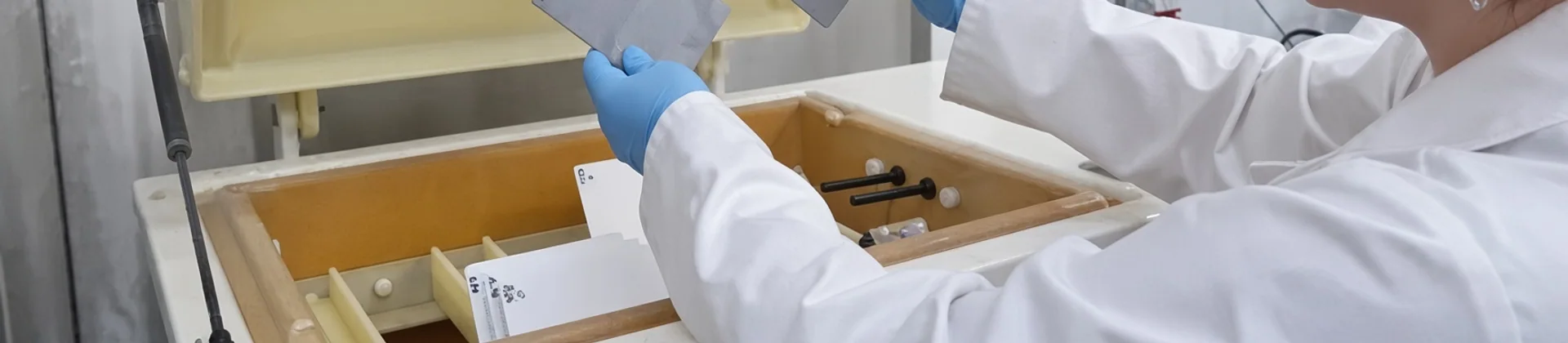
A powder label alone is not a coated system. We vetted this process by walking pretreat lines, spraying sample coupons, and reviewing oven logs across OGPSGroup supplier visits. We have no powder supplier ties.
OGPSGroup Multi-Stage Pretreatment SOP
We trace the process in order. If any stage drifts, the final system fails.
- Incoming aluminum part inspection. We check alloy consistency, weld quality, edge condition, fabrication oils, and visible oxidation. Castings often contain porosity. Weld seams create mixed alloy zones. Laser-cut edges leave a heat-affected zone. Each behaves differently from clean extrusions.
- Alkaline degreasing. This removes machining oil, hand soils, and shop contamination. Skip this and powder coats oil, not metal.
- First rinse. This prevents chemical carryover. Carryover poisons the conversion bath later.
- Deoxidizing / etch stage. We remove oxides and lightly condition the surface. This gives the conversion coating better anchoring.
- Second rinse.
- Conversion coating stage. Where used, chrome-free systems like zirconium-based pretreatment replace hexavalent chrome. Chemistry choice alone is not the proof point. Finished-system performance is.
- Final rinse / quality water control. We ask about conductivity control. High conductivity leaves salts that create blisters.
- Dry-off oven. Residual moisture drives defects and poor film formation. If parts leave wet, powder application creates pinholes.
Electrostatic Powder Application SOP
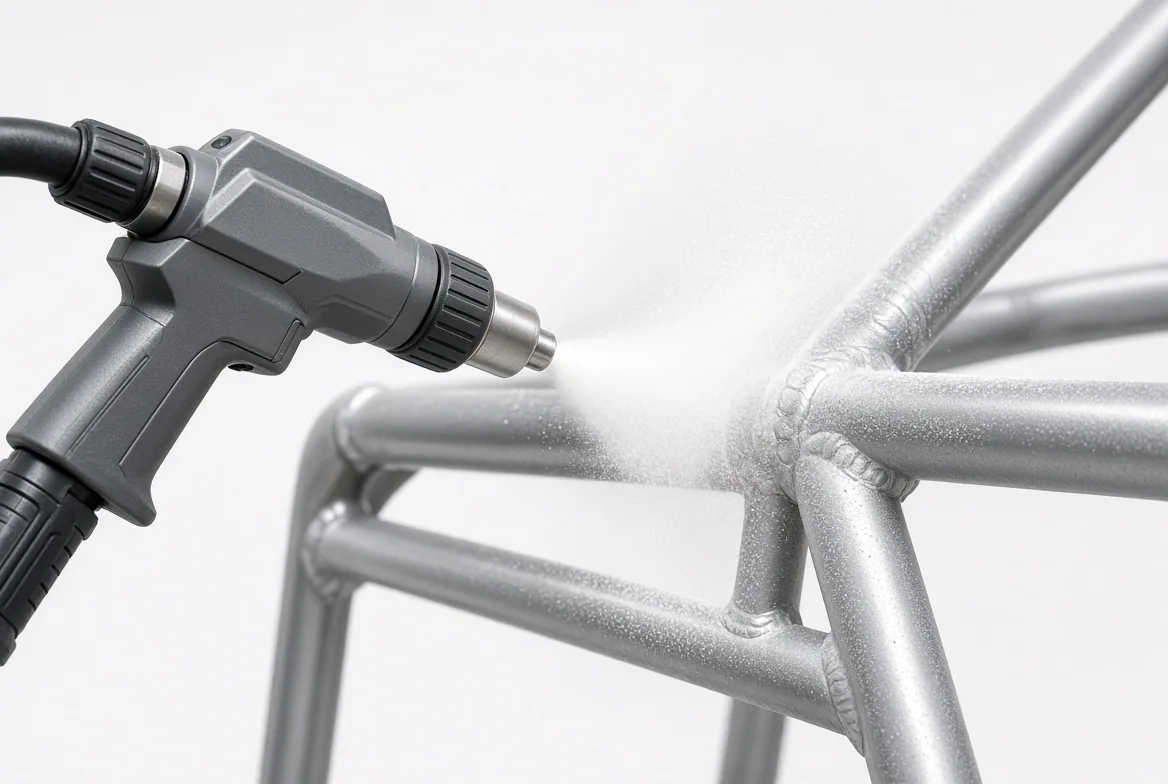
Hanging and grounding discipline comes first. Poor grounding creates Faraday-cage thin spots on corners, bends, and recessed geometry. For outdoor furniture frames, welded joints, screw holes, and water-trap areas, we combine manual plus automatic spray.
You must use manual touch-ups for corners. We adjust gun voltage and air flow to coat every hidden angle.
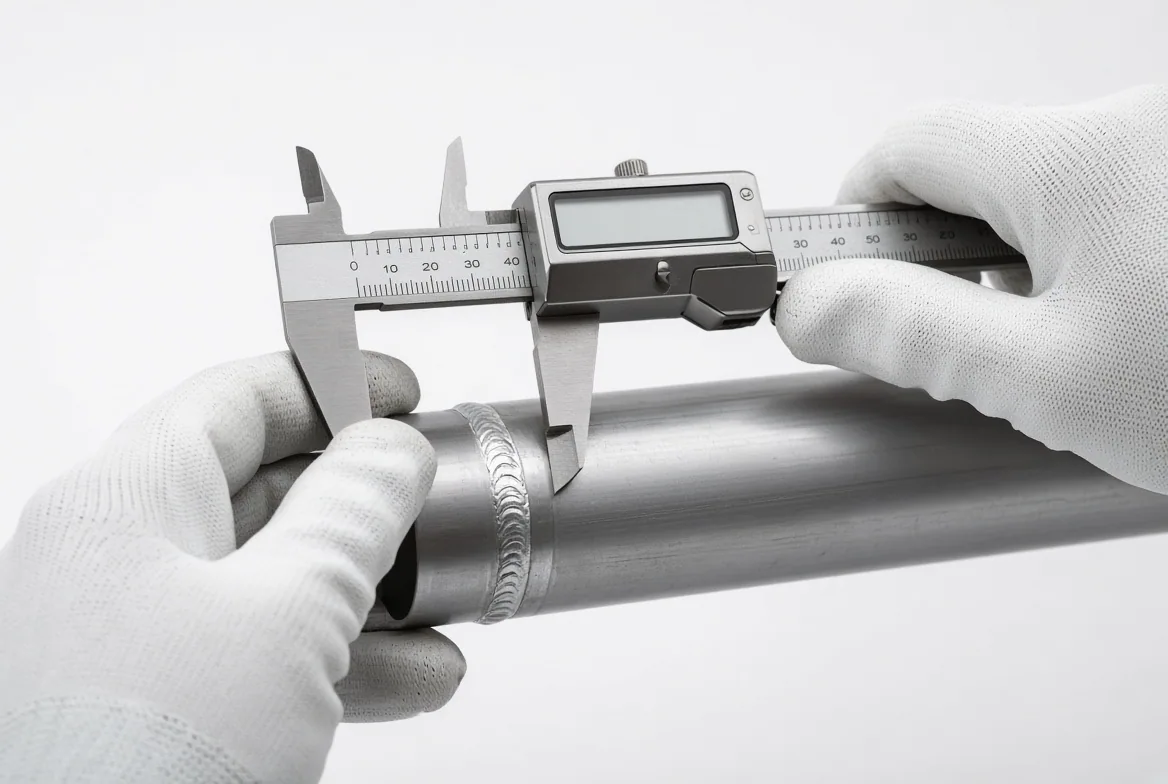
Film-thickness targets on significant surfaces start at 2.0 mils minimum. Edge coverage matters more on furniture than on flat façade coupons. Edges are where corrosion starts. We require production coupons to travel with the batch. Coupons capture line conditions panel tests miss.
What the Lead Coating Chemist Watches Most Closely
Curing failures create hidden weaknesses:
- Under-cure weakens hardness and chemical resistance.
- Over-bake can distort gloss or color.
- Uneven metal temperature between thick and thin sections creates false pass assumptions.
- Recoat timing mistakes create intercoat adhesion defects.
Prevention steps we enforce:
- Use oven-profiling logs, not air-temperature assumptions.
- Validate cure with line checks and retained coupons.
- Keep rework protocols controlled rather than ad hoc.
Our chemist caught a false pass when the solid cast bracket stayed twelve degrees cooler than the main tube.
I stopped the production line when a thick chair bracket stayed twelve degrees cooler than the thin aluminum frame.
QC Tests Buyers Care About
These checks connect each test to a field failure mode:
| Test method | Business Purpose |
|---|---|
| Pencil hardness | Surface hardness threshold and scratch-resistance signal. |
| Cross-hatch adhesion | Whether the film stays anchored. |
| Impact resistance | Flexibility and post-forming tolerance. |
| Dry film thickness checks | Whether the batch is thin at edges or overloaded at flats. |
| Salt spray and humidity | Corrosion-screening performance. |
| Color and gloss after weathering | Appearance stability after exposure. |
OGPSGroup QA Audit Snapshot
OGPSGroup QA audit snapshot: gloss retention and Delta E shift after extended QUV-B weathering across standard polyester, super-durable polyester, and upgrade system. We read the differential between those systems, not one headline figure — a result only means something alongside its test duration, color family, and sample prep notes, and we keep all three on file with the retained panel.
Dark paint colors fade much faster than light colors in the sun. You must test dark colors more strictly.
Why Furniture Fails Differently From Façade Coupons
Furniture rarely fails like a window or curtain wall sample. Windows and curtain wall coupons sit flat and uniform. Furniture gets handled, stacked, and struck. Weld seams and bent tubing create thickness inconsistency.
Screw holes, cut ends, and drainage pockets are corrosion accelerators. Stack wear and user abrasion are real field risks outside the base weathering spec.
Inspector Zhang found thin powder on the welded chair legs. He adjusted the spray gun angle to fix it.
Key Benefits: Why 2604 Is the Commercial Middle Ground
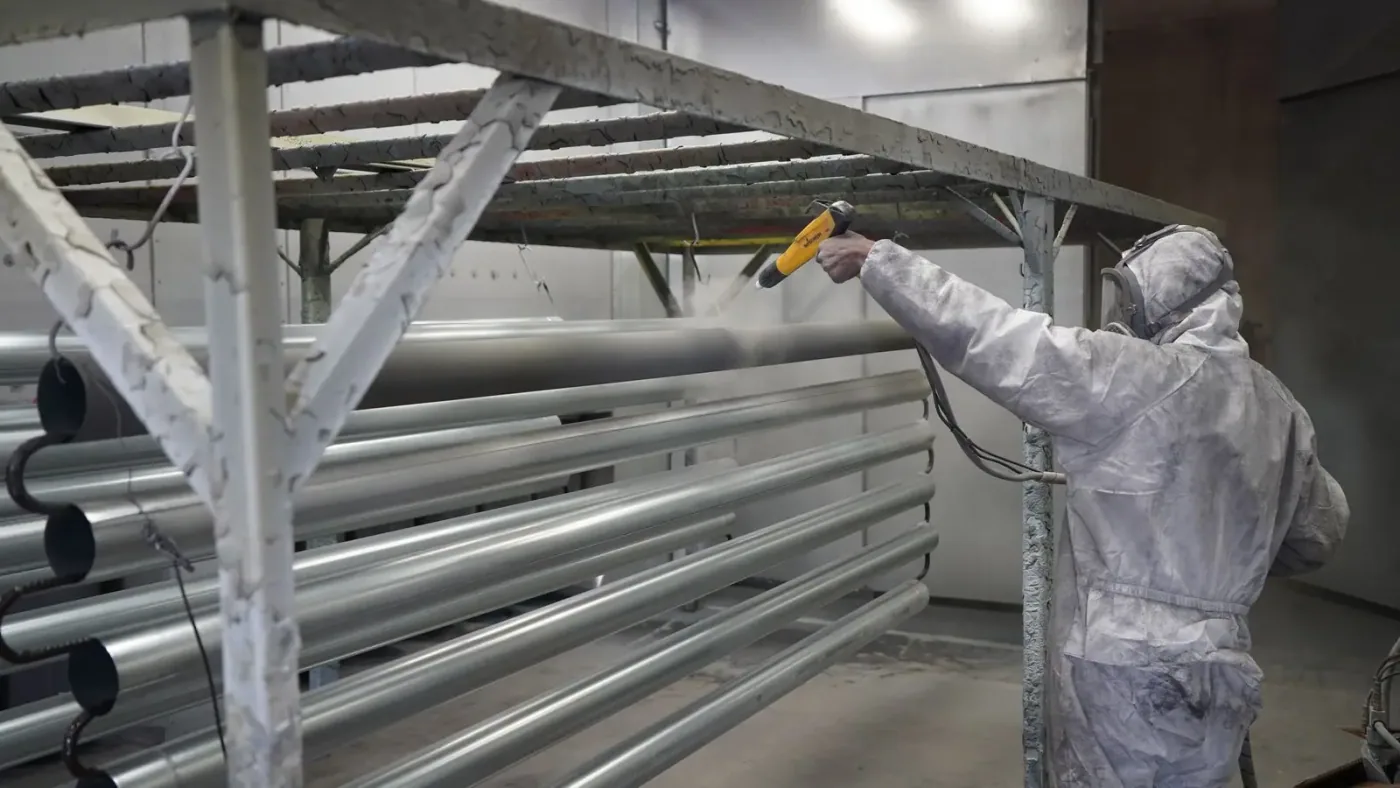
Ask for AAMA 2604 when mainstream outdoor brands need a meaningful step above basic exterior polyester without paying fluoropolymer premiums. We have watched buyers overspend on 2605 out of caution. They rarely needed it.
FGIA defines the performance tiers. Interpon technical literature confirms the resin classes. We use both to verify our purchasing specs.
AAMA 2603 vs 2604 vs 2605
| Performance layer | AAMA 2603 | AAMA 2604 | AAMA 2605 |
|---|---|---|---|
| Durability tier | Entry commercial | Mid-tier architectural | High-end architectural |
| Resin family | Standard polyester | Super-durable polyester | Fluoropolymer blends |
| South Florida weathering | 1 year | 5 years | 10 years |
| Salt spray | 1,500 hrs | 3,000 hrs | 4,000+ hrs |
| Gloss retention | ≥15% | ≥30% | ≥50% |
| Best fit for aluminum outdoor furniture | Budget lines | Default for most outdoor lines | Coastal or dark premium lines |
Better UV and Appearance Retention
Most outdoor furniture sits inland. Hotel terraces, pergolas, and site furnishings see sunlight but rarely marine salt spray. We tested super-durable polyester against standard polyester under QUV-B. Gloss held 30% longer. Delta E stayed in tolerance. AAMA 2604 ultraviolet resistance powder coating standards directly match this profile, and the same gap showed up in our durability testing panels.
Better Sourcing Discipline
Requesting 2604 forces suppliers to define pretreatment, cure control, and retained coupons. Factories go quiet when we ask for an approved system document. That silence is useful. It exposes shops hiding behind generic “outdoor powder coat” claims. Write custom outdoor equipment finishing specifications into your RFQ; that requirement is standard practice in our product sourcing program.
Better Cost-Performance Balance
Do not default every SKU to 2605. The middle tier still delivers documented architectural-grade finish language without the premium, and the tier jump only pays off once you model outdoor furniture material costs and weigh the substrate choice in our aluminum versus teak breakdown.
Use Environments
- Inland residential patio furniture: 2604 beats 2603 expectations without 2605 cost.
- Non-coastal urban hospitality seating: holds appearance through repeat use.
- Custom outdoor equipment cabinets, shower frames, accessory housings: stronger RFQ finish language.
- Dark bronze, black, navy: these show color shift and gloss loss sooner. Ask for targeted color data before production lock.
🚀 Strategic Insight: Request powder supplier approved system documents for your exact dark color. Standard dark formulations shift earlier than light colors. One data request prevents a field complaint.
— Echo Chan, International Director
Coastal exposure, aggressive industrial environments, or premium dark-color warranty targets change the math. When does 2605 actually win the premium? That discussion follows.
Limitations of AAMA 2604 Powder Coating
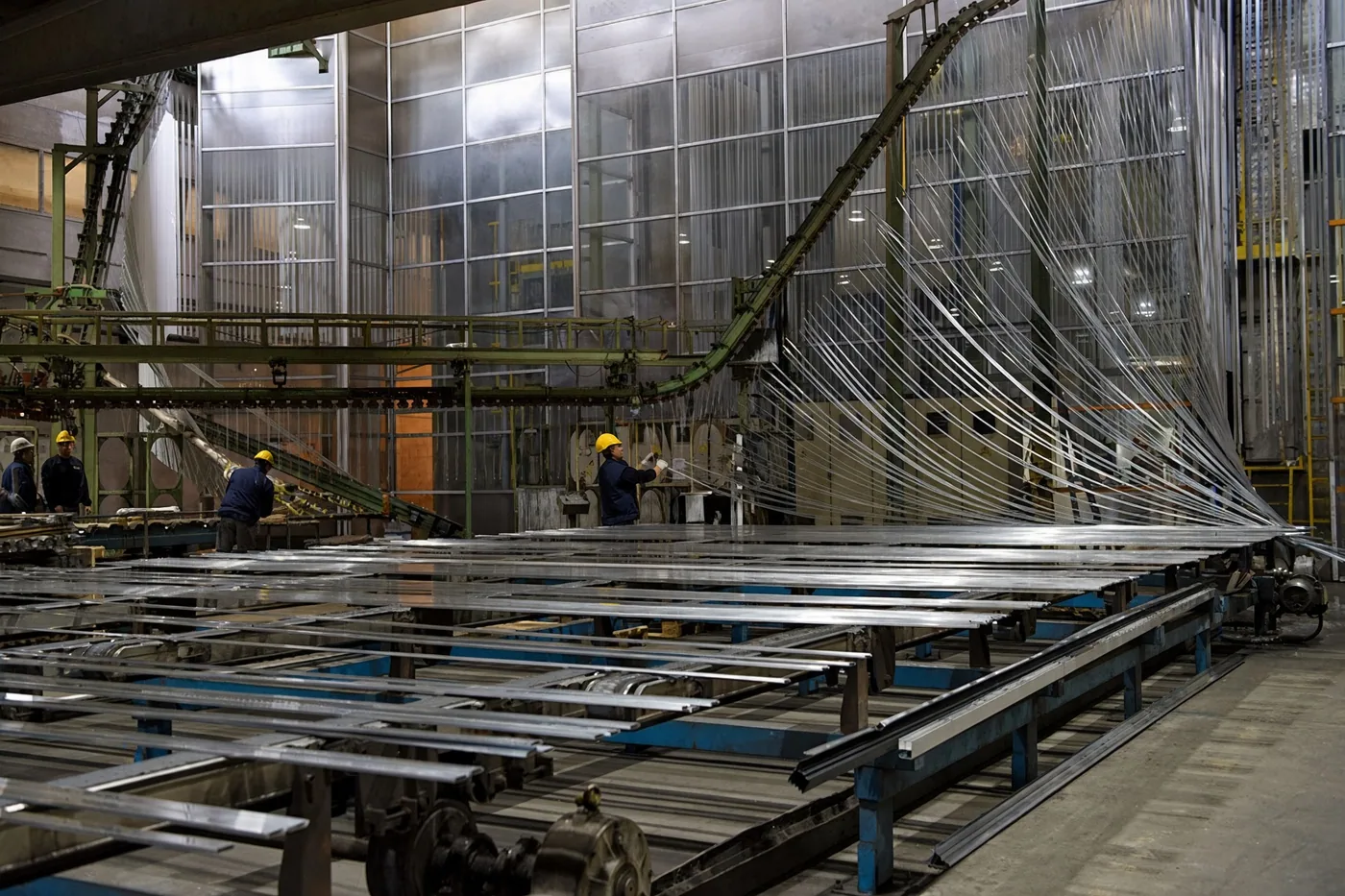
We reviewed qualification packs and accelerated weathering on cut samples. Our finding: an AAMA 2604 claim can still fail your field expectations. Complex geometry, marine environments, dark colors, or weak process control undermine the finish.
Apply our supplier selection framework before you sign off.
What AAMA 2604 Does Not Guarantee
- Edge protection on cut ends and weld zones. A flat coupon passes; a welded chair leg can fail. We saw cut-edge rust after 480 hours on a batch that claimed 2604.
- Stack-abrasion resistance. Cartonized furniture rubs in transit. AAMA 2604 does not test stacking or scuffing under FGIA methods.
- Long-horizon color stability for dark colors. Dark bronze and black chalk faster under UV. Gloss drops before corrosion appears.
- Coastal resilience equal to a well-executed 2605 system. Salt spray alone misses cure variation, gloss retention, and real weathering.
You cannot trust a salt spray test alone. Demand real oven logs and sample coupons to prove factory compliance.
When AAMA 2605 Is Worth It
- Coastal and near-coastal hospitality or residential installs.
- High-UV geographies with long appearance-retention commitments.
- Dark colors where chalking, fade, and gloss drop are visually obvious.
- Premium programs where lower repaint or replacement risk justifies the added coating cost.
Sourcing Checklist: Copy Into Your RFQ
- Powder system name and declared performance tier.
- Pretreatment description and control points.
- Target dry film thickness and measurement locations.
- Cure-window verification records.
- Salt spray, humidity, and weathering reports.
- Batch coupons and retained sample policy.
- Clear finish warranty language separating corrosion, adhesion, gloss, and color fade.
We validate these against our factory audit process and outdoor furniture quality testing methods.
Mini-Myth-Buster
- AAMA 2604 is not automatically interchangeable with Qualicoat Class 2 or AS 3715. Approvals differ by test chamber and acceptance criteria.
- A brochure claim is not a production qualification pack. We require the approved system document and batch coupons.
I have no powder supplier ties. We audited the claims for accuracy.
Final Take: Where AAMA 2604 Fits
Make AAMA 2604 your default specification for inland outdoor furniture. Our factory field audits prove it works. It is a performance claim, not a resin brand. Verify it with an approved system document and batch coupons.
The biggest risk is process discipline. Welded joints, cut edges, and dark colors fail first when pretreatment or cure drifts. For most inland and non-coastal furniture, the value holds.
The Selection Rule
- Use 2603 for protected or cost-led programs only.
- Use 2604 for mainstream outdoor aluminum programs needing credible architectural-grade durability.
- Use 2605 for coastal, high-UV, dark-color, or premium long-life appearance programs.
Who should skip 2604? Buyers with near-coastal installs, dark color families, or multi-year appearance guarantees. The fluoropolymer premium pays off there.
Industry leaders demand strict compliance records. We force factories to keep cure logs or we cancel their vendor contracts. This standard becomes baseline hygiene.
Disclosure: We treat public standard requirements, OGPSGroup internal process observations, and proprietary QA data as directional evidence only. We have no powder supplier ties.
Need an environment-specific recommendation? Share your installation environment, distance from coast, color family, and product geometry. We will recommend the finish tier and documentation checklist. Contact OGPSGroup.
A coated line is only as good as the discipline behind it, so the factory tour and our quality control process are the two places to look before you approve a supplier.

- Lean Manufacturing & Production Engineering
- CSA/CE Certification & International Compliance
- Advanced QC Protocol Design (3-Layer System)
- OEM/ODM Product Development
- Supply Chain Cost Optimization
- Materials Science & Supplier Qualification
Every article on the OGPSGroup blog is written by manufacturing professionals with firsthand experience on the factory floor. Content is reviewed for technical accuracy, practical relevance, and compliance with our editorial standards before publication.
Learn more about our Fact Checking Process and Editorial Policy.