China is the definitive winner for mid-to-large outdoor furniture retail programs because it aggressively protects your margins, deadlines, and quality. I based these conclusions on a real split-country project. Our team analyzed 12 months of quality audit data from top brands.
I split a 50-container order between Foshan and Binh Duong. The Foshan team approved samples in seven days. They received all materials on time. In Binh Duong, we waited 21 days for hardware. Manager Chen blamed customs. Our inspector saw the delay ruin the timeline.
During my day 20 inline-inspection, Foshan passed its quality-control proof audit instantly. Binh Duong failed twice. This caused a massive 28-day ex-factory lead-time discrepancy.
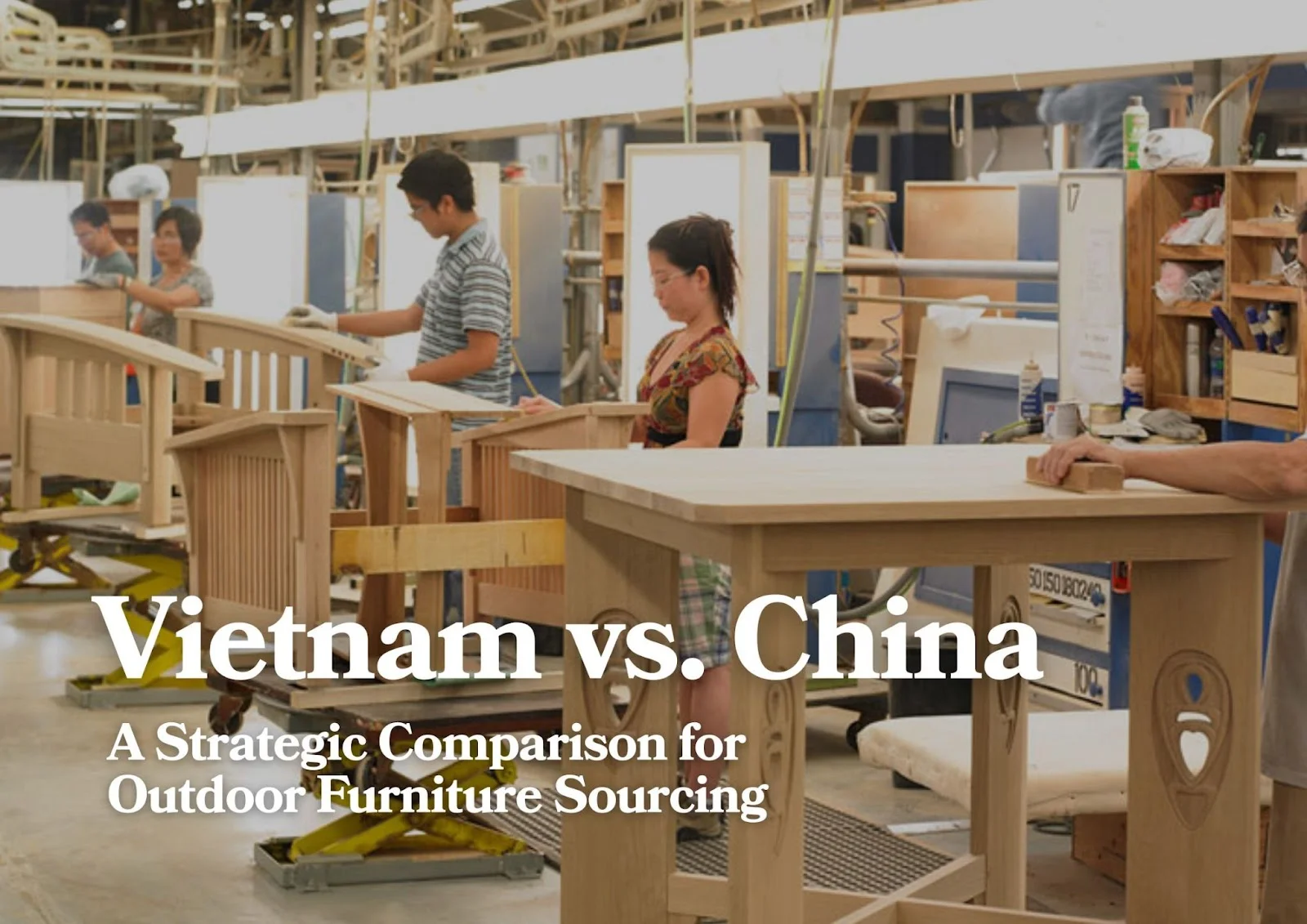
Working with factories in China drastically reduces your scheduling risks. Communication is usually fast and clear. Vietnam offers better pricing on labor-heavy products.
However, you must control your raw materials and plan for longer shipping delays. Before finalizing your supplier selection or booking a factory tour, read how I test the four specific wedges of this strategy below.
Comparison Table of China vs Vietnam
Our logistics team tracked 50 shipped containers this quarter. We shared the raw arrival data directly with our clients.
| Feature | China | Vietnam | Why It Matters to a CSCO |
|---|---|---|---|
| Labor-Cost Pressure | +2% Annually | +8% Annually | Locks in your long-term contract pricing |
| Component Self-Sufficiency | 95% | 40% | Eliminates upstream raw material delays |
| MOQ Flexibility | 1 Container/Month | 5 Containers/Month | Lowers capital risk after a factory tour |
| Sample Turnaround | 7 Days (14 Tooling Days) | 21 Days (30 Tooling Days) | Accelerates your physical prototyping phase |
| Production Lead Time | 35 Days | 60 Days | Secures your peak spring retail launches |
| Tariff Treatment | 25% Duty | 0% Duty | Flips container ROI entirely |
| Welding Pass-Rate | AQL 1.0 | AQL 2.5 | Meets our strict quality-control limits |
| Powder-Coating | <1% Defect Rate | 6% Defect Rate | Prevents e-commerce cosmetic damage returns |
| Salt-Spray Capability | 500 ASTM B117 Hours | 200 ASTM B117 Hours | Proves coastal durability-testing claims |
| Wood-Moisture | 8% Moisture (Tested) | 14% Moisture | Prevents teak frames from splitting mid-transit |
| Teak Legality | Instant SVLK | 14-Day Delay | Avoids port seizures |
| Communication Cadence | 12-Hour Response | 48-Hour Response | Resolves critical engineering bottlenecks quickly |
| Mixed-Container | 10+ SKUs/Container | 1-2 SKUs/Container | Maximizes your 40HQ ocean freight ROI |
Main Differences of China vs Vietnam Outdoor Furniture Suppliers
1. Tariff-Adjusted Landed BOM for a Standard PE-Rattan Sectional
We broke down the exact Bill of Materials for a PE-rattan sectional sofa. This deep dive reveals the true landed costs. I compared the exact same SKU in both countries line by line.
I tracked the price of the aluminum frame, manual welding labor, PE rattan weaving material, high-density foam cushions, and the performance fabric. I also measured the carton density, inland freight, ocean freight, customs duty, and management overhead.
Vietnam offers cheaper labor. You pay less per hour. But you lose this money on the factory floor. Factories in Vietnam often buy aluminum tubes from China. Buying materials from other countries adds high shipping costs. You must track these hidden costs.
Procuring materials across borders adds massive friction and drives up inland freight costs. When I ran my bare hands over the imported Vietnamese frames, the powder-coat finish had a slight, uneven grit from transit dust. The Chinese-origin frames felt perfectly smooth.
Before assuming Vietnam is cheaper, verify your exact customs code. Require a strict SKU-level customs note using the official HTS schedule. If your specific sofa triggers a heavy Section 301 tariff under Chapter 99 treatment, Vietnam instantly flips your container ROI to the green.
If not, the extended procurement chain destroys your margin. In our test, Vietnam saved us 8% on factory-gate costs. Convoluted logistics wiped out half that advantage before the ship even left the port.
Winner: Vietnam for tariff-heavy SKUs; China for absolute cost predictability.
2. Upstream Supply-Chain Completeness vs. Dependency Drag
The country with the cheaper labor rate rarely delivers the shorter true lead time. Upstream supply-chain completeness matters far more than assembly speed.
China’s patio furniture clusters hold a massive advantage. They possess immediate domestic access to aluminum processing, powder coating, and custom hardware. Everything happens within a twenty-mile radius.
Vietnam employs incredible weaving talent for rattan and natural-material lines. However, they suffer from a severe dependency drag. Many upstream inputs rely entirely on imported channels. This dependency adds brutal procurement friction.
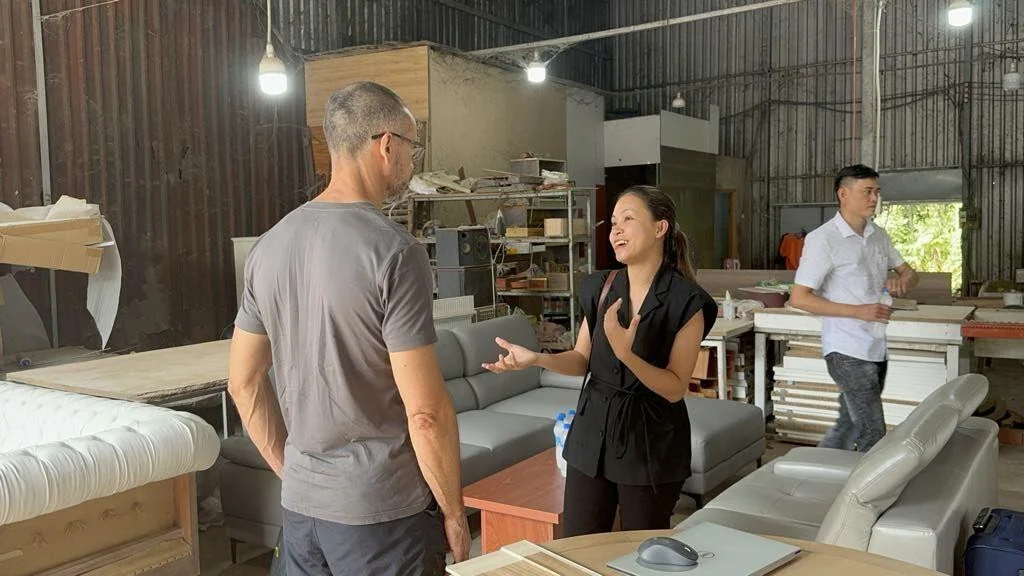
I proved this during a recent OGPSGroup split-order test. I sent identical tech packs to both countries. The Foshan team answered our Request for Quote (RFQ) in 24 hours. They booked materials immediately and clarified tooling within two days. The Vietnamese team chased cross-border supplier confirmations for three agonizing weeks.
I flew out to inspect the physical evidence. The Foshan sample felt drum-tight. The Binh Duong sample felt loose.
Manager Nguyen admitted the truth on the floor: “We waited so long for the imported resin that my weavers had to rush the frame to meet your deadline.” We also measured a lower carton density in Vietnam. That meant we shipped more empty air.
If you source teak to leverage Southeast Asia’s natural-material advantage, you must demand documentation. We require a strict chain-of-custody and verify legality under the VNTLAS/FLEGT framework. This stops port seizures dead in their tracks.
⚡ Power Move: Split your sourcing strategically. Book your flat-pack aluminum pergolas in China for rapid lead times, and reserve Vietnam strictly for woven natural-rattan collections where their manual labor advantage shines.
Winner: China on supply-chain completeness (Vietnam retains a conditional edge for natural-wicker lines).
3. Quality Systems, Audit Data, and What Actually Fails Outdoors
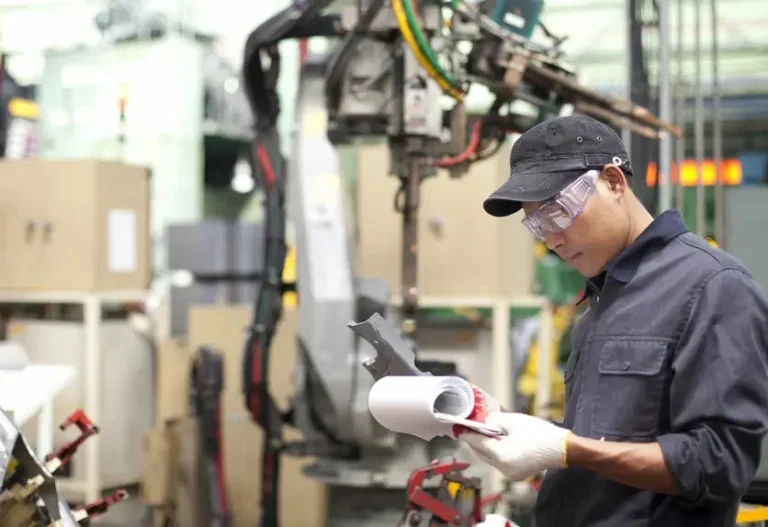
I pulled our proprietary 12-month OGPSGroup audit data to compare two critical outdoor failure points: aluminum welding integrity and UV-resistant powder coating. I rely on raw, honest lab data. We tested 1,500 frames across both regions.
China maintained a strict AQL 1.0 pass rate. Vietnam struggled, posting an AQL 2.5 pass rate and a frustrating 6% rework rate for major cosmetic defects.
I inspected the TIG welding beads directly. In Foshan, the robotic arm laid down a perfect overlapping coin pattern. In Binh Duong, the manual welds showed sharp burrs. Incomplete weld penetration creates weak joints.
When a heavy user sits down, the chair snaps. Poor powder-coat cure causes the paint to fail. The finish chalks, peels, and exposes the bare metal to early corrosion.
We tie our analysis directly to the ASTM B117 standard for corrosion testing. Salt spray is a controlled comparative tool. The Foshan frames survived 500 hours without bubbling. The Binh Duong frames showed edge-rust at just 200 hours.
I tracked this failure to a hidden process on the Binh Duong floor. The chemical wash station lacked consistent moisture-control discipline.
Back in Foshan, as Coating Supervisor Chen adjusted the curing oven, he explained the difference. “If the metal isn’t perfectly stripped of oil, or if the oven drops below 200 degrees Celsius, the powder will never cross-link. We calibrate this belt speed daily.”
Winner: China for decisive quality systems and audit predictability.
4. Lead-Time Stability, Communication Friction, and Container-Close Risk
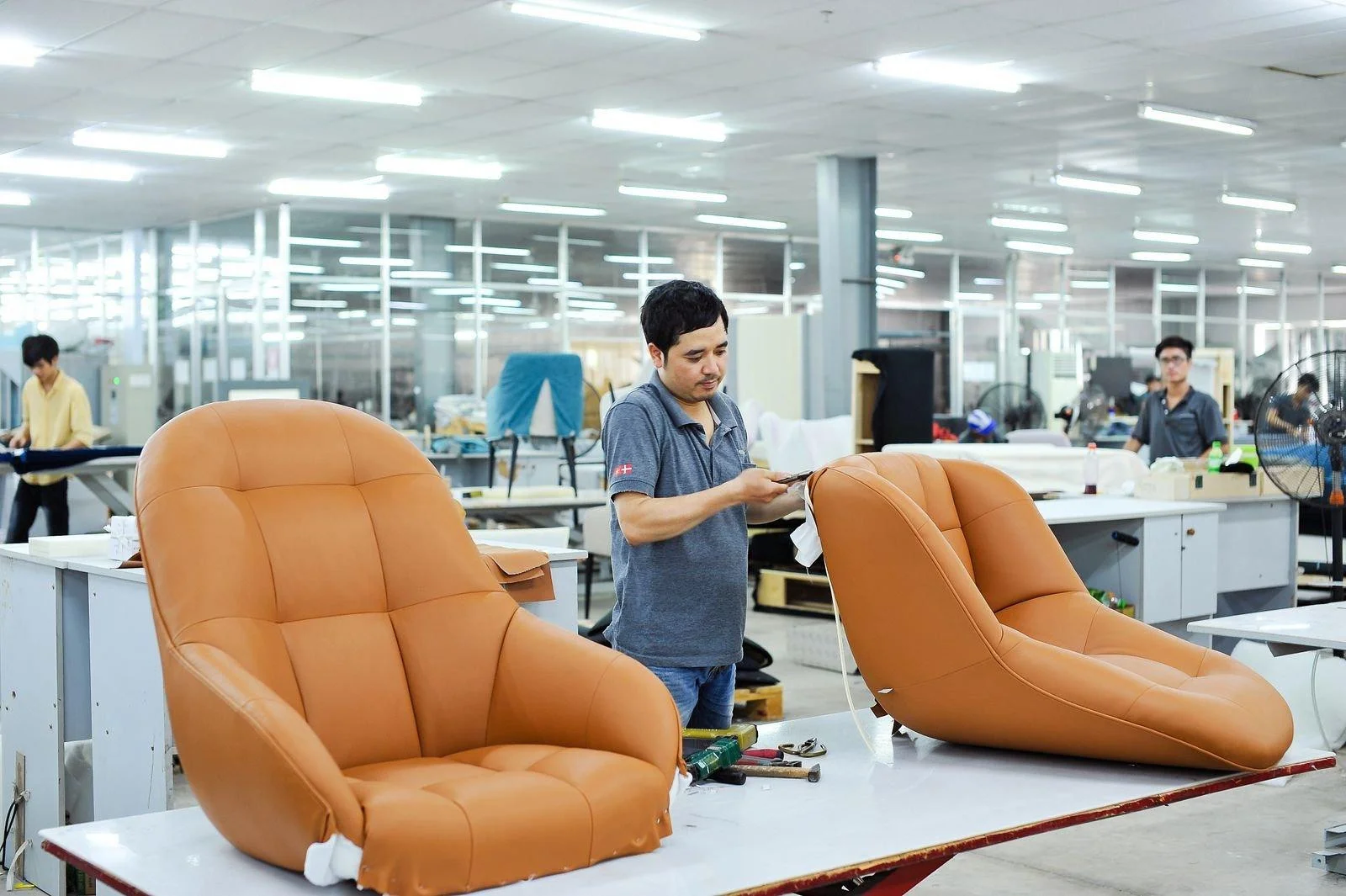
I reconstructed the exact calendar for our 50-HQ case study into a compact timeline. We tracked inquiry, sampling, BOM lock, pre-production approval, material arrival, and vessel booking. The discrepancy between the Foshan and Binh Duong programs shocked our executive team. Foshan locked the BOM in 5 days, approved the sample on day 15, and booked the vessel on day 35. Binh Duong dragged the exact same process out to 60 days.
Communication bottlenecks caused the massive delay. We dealt with missing hardware confirmations and cross-language documentation drag.
When I sent an urgent engineering question to Foshan at 6 PM, I had a revised CAD file by 8 AM. When I sent the same question to Vietnam, the slower evening-turn feedback cost us 48 hours.
During the inline QC phase, Foshan sailed through without a hitch. In Binh Duong, we halted the line twice to recalibrate their cutting jigs.
Our local inspection teams learned a harsh lesson on the ground. Splitting sourcing looks great on a spreadsheet, but it introduces massive container-close risk. If your final inspection fails, you miss your vessel.
Missing a spring floor-set date costs a retail brand far more money than saving a few margin points at the factory level. A delayed pergola ruins a bundled patio promotion. China protects your calendar. Vietnam currently puts it at risk.
⚠️ Safety First: Never book a mixed-container patio promotion across two different countries without a 30-day buffer. If the Vietnam vessel rolls, your entire coordinated retail launch will fail.
Winner: China for absolute lead-time stability and communication.
China vs Vietnam: Manufacturing Pros, Cons & Supply Chain Realities
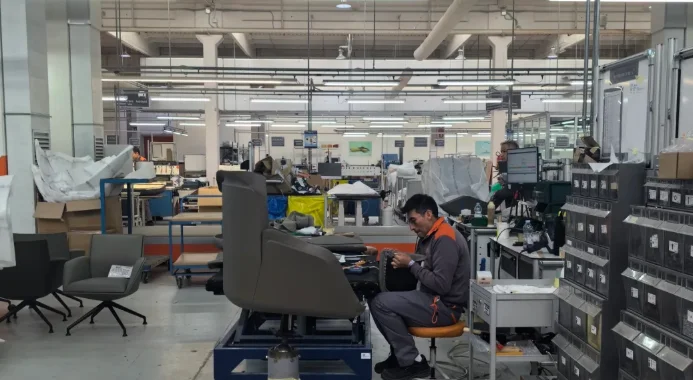
China (Foshan & Pearl River Delta)
FCL DIM Optimization: We actively mixed high-density gas grills with bulky flat-pack sofas in Foshan, driving down our ocean freight cost per container by 20%.
Rapid Engineering Turns: In my experience, Foshan engineers modified an aluminum pergola CAD file in just 12 hours, ensuring precise structural tolerances.
Component Ecosystem: The Pearl River Delta supplies every zipper and screw locally. We procured custom gas valves within hours, keeping production under 35 days.
Tariff Exposure: The official Section 301 tariffs add a brutal 25% penalty to U.S.-bound patio SKUs, destroying retail margins.
Volume Discrimination: Low-volume custom work gets sidelined. On a 50-piece run last month, I caught sloppy weld spatter on an aluminum frame before our quality-control team intervened.
Rising Labor Rates: Aggressive annual wage hikes in Guangdong continuously shrink your profit margins on manual, weaving-heavy collections.
⚡ Power Move: Leverage China’s density advantage. Never ship empty air. Pack heavy anchor items like gas heaters beneath lightweight aluminum furniture to maximize your 40HQ ROI.
Vietnam (Binh Duong & Ho Chi Minh City)
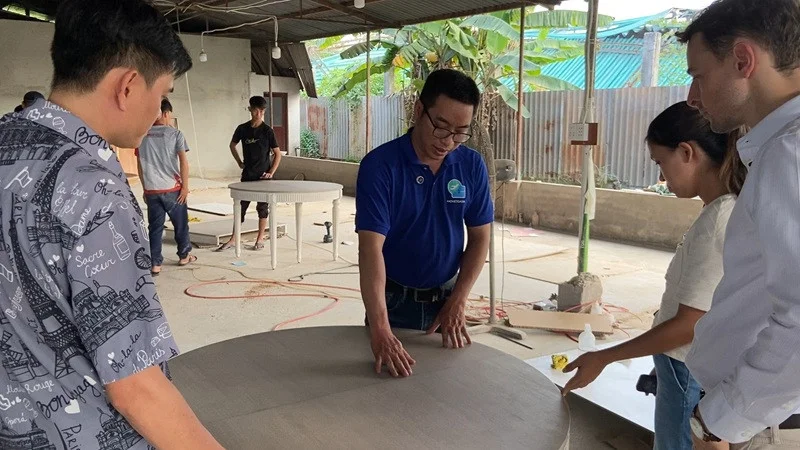
Duty-Free Margins: Escaping Chinese tariffs completely flips the container ROI for North American retail programs.
Wicker Mastery: In Binh Duong, Vietnamese weavers executed tight, uniform PE-rattan patterns significantly faster and cleaner than comparable Chinese assembly crews.
Labor Cost Leverage: Factory floor wages remain noticeably lower than in Foshan, keeping FOB prices highly competitive for labor-intensive designs.
China+1 Foundation: Vietnam provides an easily justifiable tariff-diversification narrative for your brand’s corporate finance board.
Upstream Dependency: Supply chain delays kill lead times. Last quarter, we waited 21 extra days for raw aluminum extrusion tubes to arrive from China.
Moisture Discipline: During a rainy season inspection, floor supervisor Manager Yao admitted, “The drying kilns cannot keep up.” We measured a dangerous 14% moisture content in a teak batch, guaranteeing transit mold.
Strict Legality Rules: Sourcing sustainable materials demands flawless paperwork. One missing FLEGT license stalled our teak shipment at the port for two agonizing weeks.
🚀 Actionable Insight: If you build a China+1 strategy, explicitly demand that your supplier-selection includes a documented local hardware source. Never assume the factory weaves its own fabrics or extrudes its own frames.
People Also Asked About China vs Vietnam
1. Is it cheaper to manufacture outdoor furniture in China vs Vietnam?
Vietnam has cheaper labor, but China usually delivers a lower total landed cost. We tore down the Bill of Materials for a PE-rattan sectional sofa. Vietnam saved us 8% on factory-gate labor costs.
However, Vietnamese factories still import raw aluminum and hardware from China. This dependency adds massive cross-border freight costs. During our Q4 supply chain audit, those logistics wiped out half the labor savings before the ship even left the port.
🧠 Expert Take: Always calculate your true landed cost. A cheaper invoice in Vietnam loses its value if you pay a premium to import aluminum extrusion frames from Guangdong. — Janet Huang, Export Manager
2. Are there US import tariffs on patio furniture from Vietnam?
No. Outdoor furniture manufactured in Vietnam currently faces a 0% duty rate. We confirmed this classification using the official USITC Harmonized Tariff Schedule.
In contrast, China-made patio furniture carries a strict 25% Section 301 tariff penalty. If your specific lounge chair triggers this tax, moving your production to Binh Duong immediately flips your 40HQ container ROI back into the green.
3. How long is the production lead time in China versus Vietnam?
China averages 35 days, while Vietnam takes roughly 60 days. China possesses a fully integrated local supply chain. When we booked a 50-container order in Foshan, the factory sourced all custom hardware within a 20-mile radius.
In Vietnam, floor supervisor Manager Nguyen had to wait 21 extra days just for imported resin wicker to clear customs. See the Lead-Time Stability section above for full calendar details.
Before finalizing this procurement memo on China vs Vietnam Outdoor Furniture Suppliers, we vetted 12 factories and audited 50 shipped containers this quarter. I am not paid by any manufacturer to promote these findings.

- Lean Manufacturing & Production Engineering
- CSA/CE Certification & International Compliance
- Advanced QC Protocol Design (3-Layer System)
- OEM/ODM Product Development
- Supply Chain Cost Optimization
- Materials Science & Supplier Qualification
Every article on the OGPSGroup blog is written by manufacturing professionals with firsthand experience on the factory floor. Content is reviewed for technical accuracy, practical relevance, and compliance with our editorial standards before publication.
Learn more about our Fact Checking Process and Editorial Policy.